Image
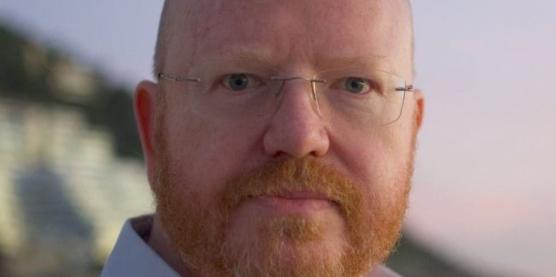


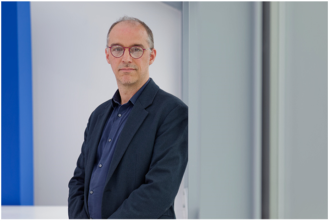
Laurent BOPP
Directeur de Recherche CNRS
Laboratoire de Météorologie / Institut Pierre Simon Laplace
Dpt de Géociences, Ecole normale superieure, Paris, France
Wednesday, May 27, 2026
1:30pm — room ConfIV - 24 rue Lhomond 75005 PARIS
The Perturbed Global Carbon Cycle: Recent Trends, Future Feedbacks, and Carbon Dioxide Removal techniques.
Human activities have profoundly altered the global carbon cycle over the past century, driving a rapid increase in atmospheric CO₂ concentrations and reshaping the balance between carbon sources and sinks. In this presentation, I will first review the carbon budget of recent decades, highlighting the evolution of anthropogenic carbon emissions alongside the observed rise in atmospheric CO₂. This analysis underscores the essential buffering role played by natural carbon sinks, the ocean and the terrestrial biosphere, which have absorbed more than 50% of human-induced emissions and thereby slowed the rate of climate change.
I will then examine the future evolution of these carbon sinks, with a particular focus on the ocean. The oceanic carbon sink emerges from complex couplings between physical circulation, chemical buffering, and biological processes. Changes in temperature, stratification, circulation, and ecosystem structure are expected to modify the efficiency of ocean carbon uptake in the coming decades. These processes point to the risk of a positive feedback between climate change and the carbon cycle, whereby warming reduces the capacity of natural sinks and amplifies the accumulation of CO₂ in the atmosphere.
In a final section, I will critically assess several proposed interventions aimed at artificially enhancing the ocean carbon sink, including phytoplankton fertilization and ocean alkalinization. While these approaches are often presented as potential climate mitigation strategies, they raise significant scientific, environmental, and governance challenges, and their long-term effectiveness remains highly uncertain.
Ultimately, understanding the dynamics, limits, and potential manipulation of natural carbon sinks is central to anticipating the trajectory of the Earth system and to designing robust and responsible climate mitigation pathways.